From Sandy Pitches to European Leagues: How Cape Verdean Footballers Make the Leap (And What Aspiring Players Need to Know)
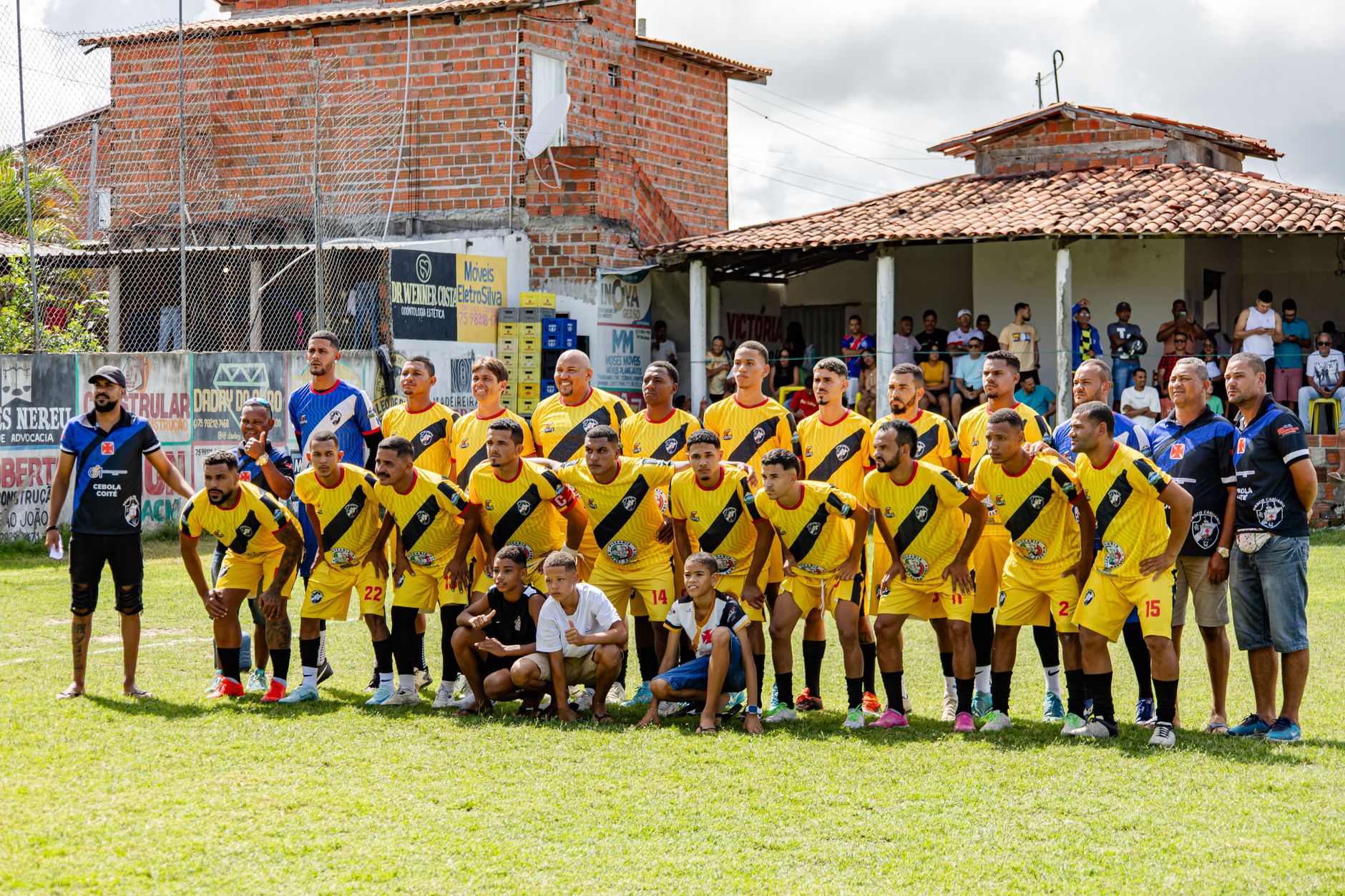
The journey from the often-dusty, sun-baked pitches of Cape Verde to the hallowed grounds of European football is a testament to raw talent, relentless dedication, and strategic navigation. Many of the island nation's most celebrated stars, such as Ryan Mendes and Garry Rodrigues, began their footballing lives honing their skills in informal settings, often with limited resources but boundless passion. This early immersion in the game, characterized by a focus on individual flair and technical ability, forms a crucial foundation. However, making the leap requires more than just natural talent; it demands visibility. Aspiring players must actively seek opportunities to join local academies or clubs that have established pathways or scouts with connections to European teams. Developing a strong work ethic, maintaining good physical condition, and consistently performing at a high level in competitive matches are non-negotiable.
For those looking to bridge the gap, understanding the various avenues available is paramount. One common route involves excelling in the Cape Verdean national league and attracting attention from foreign scouts who regularly visit for talent identification. Another increasingly popular path is through youth development programs in Portugal, France, or other European countries with strong ties to Cape Verde. Many young players relocate to these nations at a relatively early age, joining academies where they receive professional training, tactical education, and exposure to a wider network of clubs. Key factors for success include:
- Agent Representation: Securing a reputable agent who understands the European transfer market.
- Language Skills: Learning the language of the target country to aid integration and communication.
- Adaptability: Being prepared to adjust to different cultures, playing styles, and living conditions.
Unpacking the Blue Sharks' Success: Your Top Questions Answered on Cape Verde's Rise and What's Next for the Island Nation
Cape Verde's remarkable ascent in various global indices, particularly its economic stability and growing tourism sector, isn't a fluke. It's the culmination of strategic planning and a clear vision for the future, much like the precision of the Blue Sharks on the football pitch. Key to this success has been a consistent focus on diversifying the economy beyond remittances, investing heavily in renewable energy, and cultivating a welcoming environment for foreign direct investment. The island nation has leveraged its unique geographical position and rich cultural heritage to attract a steady stream of tourists, further fueling job creation and infrastructure development. Understanding these foundational elements is crucial to appreciating the depth of their achievements and dispelling any notion of mere luck.
So, what exactly lies ahead for Cape Verde, and how can other developing nations learn from its trajectory? The nation is now poised to further solidify its position as a sustainable tourism destination, with ongoing projects focusing on eco-lodges and conservation efforts. Furthermore, there's a growing emphasis on boosting its digital economy and tech sector, aiming to attract skilled professionals and foster innovation. Challenges, naturally, persist, including vulnerability to climate change and the need for continued investment in education and healthcare. However, the blueprint for success is clear: a commitment to good governance, strategic partnerships, and an unwavering belief in their potential to thrive on the global stage. The Blue Sharks' triumphs are a powerful metaphor for the nation's own journey.