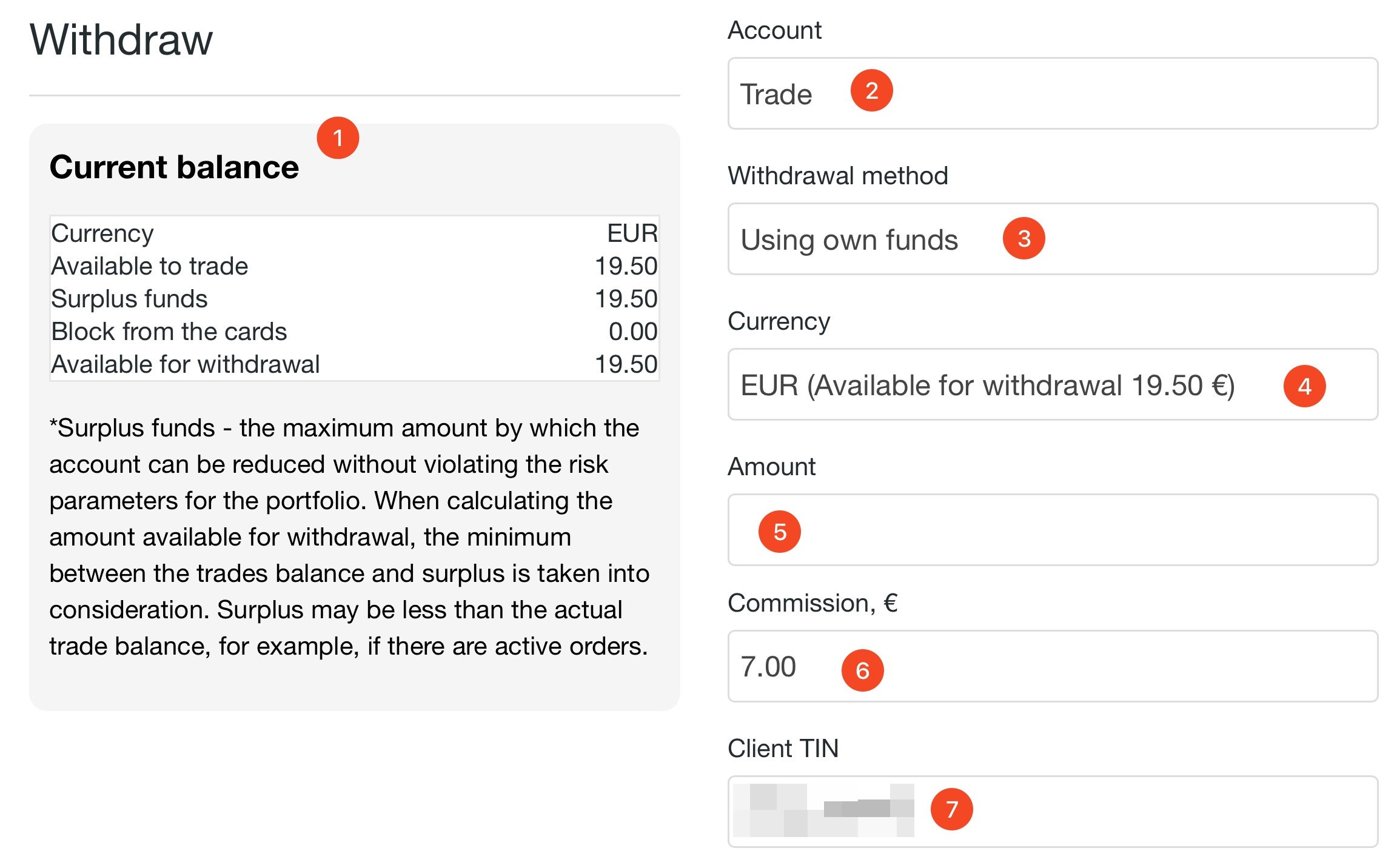
Understanding the Hidden Costs: A Deep Dive into Withdrawal Fees
When managing your finances, it's essential to understand the hidden costs associated with banking services, especially withdrawal fees. These fees can sneak up on you, often varying based on the type of account you hold and the institution's policies. For instance, some banks may charge a fee for each ATM withdrawal beyond a specified number in a month, while others might impose charges for withdrawals made from out-of-network ATMs. To effectively manage your finances, it is critical to review the terms and conditions of your bank or credit union, as these withdrawal fees can significantly impact your overall savings.
Moreover, the impact of withdrawal fees extends beyond mere dollars and cents; understanding how these costs accumulate can aid in better budgeting and financial planning. For example, if you frequently withdraw cash throughout the month, the cumulative fees may lead to unexpected expenses that strain your budget. To help visualize these costs, consider creating a simple monthly expense tracker where you list each withdrawal and its associated fee. This practice will not only increase your awareness of hidden costs but also encourage more strategic financial decisions in the long run.
Don't miss out on our exclusive duel promo code to unlock amazing rewards and bonuses. Make sure to use it during your next transaction to take advantage of special offers!
Are Withdrawal Fees Sabotaging Your Savings? Here's What You Need to Know
When it comes to saving money, many individuals are unaware of the withdrawal fees associated with their bank accounts or investment platforms. These fees can often seem trivial at first glance, but they gradually chip away at your hard-earned savings. For example, if your bank charges a $5 fee every time you withdraw cash or transfer funds, frequent withdrawals can lead to a hefty annual cost. Thus, it's crucial for savers to thoroughly review their financial institutions' fee structures to understand how these charges impact their overall financial health.
In addition to the direct costs, withdrawal fees can have indirect consequences on your savings habits. Being penalized every time you access your money might discourage you from making necessary withdrawals, which can lead to financial strain during emergencies. To mitigate the effects of these fees, consider choosing banks or investment accounts that offer fee-free transactions or find ways to limit your withdrawals. Ultimately, being informed about withdrawal fees empowers you to make better financial decisions and safeguard your savings.
Withdrawal Woes: How to Minimize Fees and Maximize Your Money
When it comes to withdrawal woes, understanding the various fees associated with withdrawing funds can make a significant difference in how much money you ultimately keep. Many financial institutions charge fees that can quickly add up, leading to frustration and discouragement. To minimize these fees, consider using ATMs that are part of your bank's network. Additionally, opting for online banks often results in lower withdrawal fees compared to traditional banks. By doing your research and choosing the right methods for accessing your funds, you can ensure that more of your hard-earned money stays in your pocket.
Another strategy to maximize your money during withdrawals is to plan your transactions wisely. Instead of making multiple small withdrawals, try to consolidate your transactions into fewer larger withdrawals. This not only reduces the number of fees incurred but also helps you better manage your personal finances. Additionally, keeping an eye on your account balance and making sure you're aware of any minimum balance requirements can help you avoid unnecessary charges. With these tips in mind, you can navigate your withdrawal woes more effectively and keep your financial goals on track.