Understanding Your Options: Fiat vs. Crypto Withdrawals Explained
When it comes to withdrawing funds from various platforms, understanding the fundamental difference between fiat and crypto withdrawals is paramount. Fiat withdrawals involve converting your digital assets or earnings into traditional government-issued currency, such as USD, EUR, or GBP, which is then typically deposited into your bank account. This process often involves intermediaries like banks or payment processors, leading to potential delays and transaction fees. The familiarity and stability of fiat currency make it a popular choice for everyday spending and bill payments, offering a tangible link to the conventional financial system that many users still rely upon.
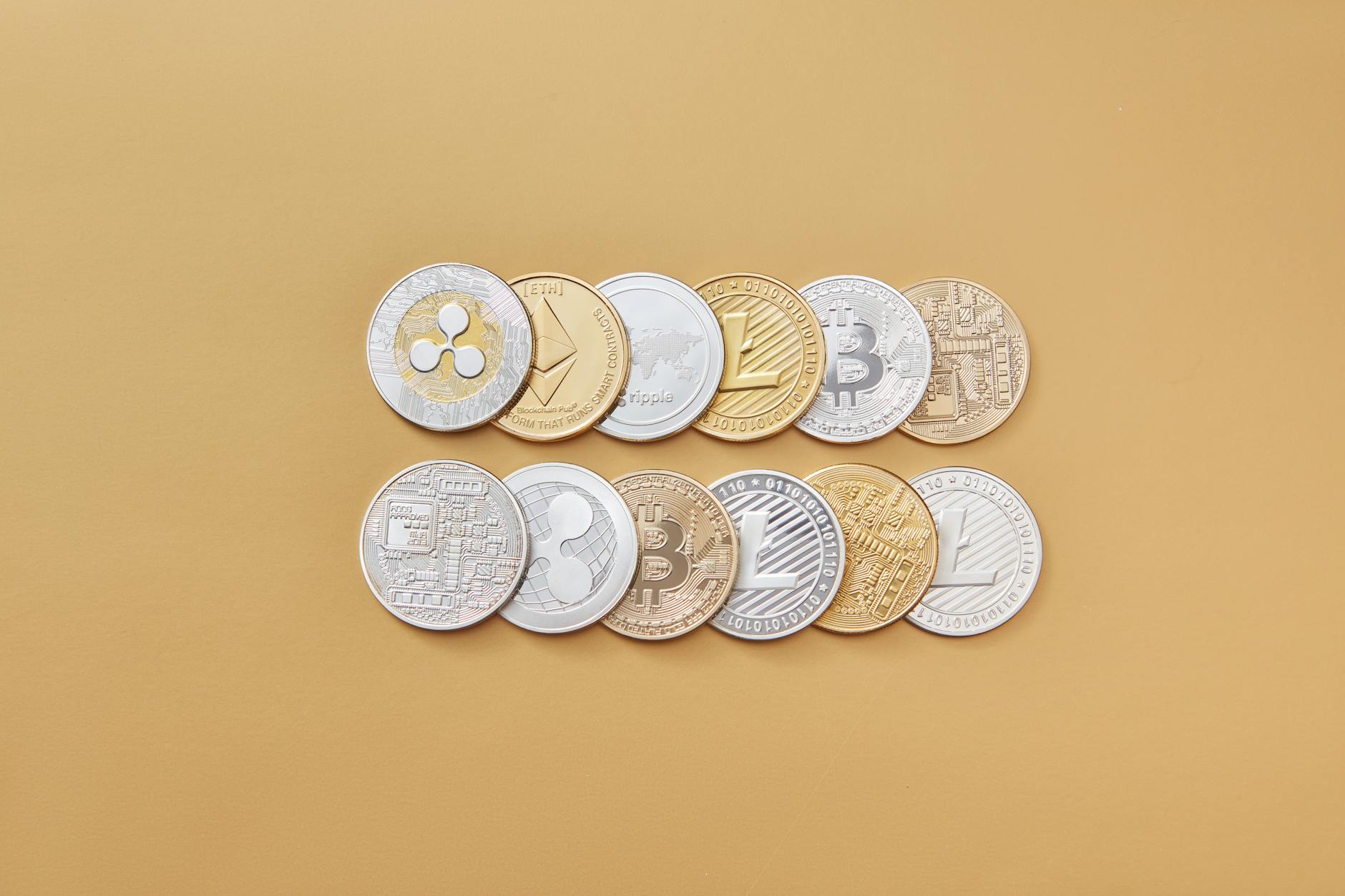
Conversely, crypto withdrawals allow you to transfer your digital assets directly to an external cryptocurrency wallet. This method bypasses traditional banking systems, often resulting in faster transaction times and potentially lower fees, depending on the blockchain network's congestion. However, understanding the intricacies of different cryptocurrencies and their respective blockchain networks is crucial. For instance, withdrawing Bitcoin to an Ethereum address will result in permanent loss of funds. Users must ensure they are withdrawing to a compatible wallet address and be aware of network-specific transaction fees (gas fees for Ethereum, for example) which can fluctuate significantly based on network demand.
See also: Wikipedia: Cryptocurrency Wallet — Explains the fundamental technology for storing and managing cryptocurrency, essential for understanding withdrawal mechanisms.
The choice between fiat and crypto withdrawals ultimately depends on your immediate needs and risk tolerance.
If your goal is to pay bills, make everyday purchases, or simply have liquid funds readily available in a familiar format, a fiat withdrawal is likely your best option, despite potential delays and fees.However, if you're looking to maintain your exposure to the crypto market, transfer funds directly to another digital asset, or leverage the speed and potentially lower costs of blockchain transactions, a crypto withdrawal proves more advantageous. Consider the destination of your funds, the urgency of the transaction, and your comfort level with managing digital assets when making this crucial decision.
Step-by-Step Guide: Transferring Winnings to Your Bank Account or Wallet
Once you've successfully navigated the thrilling world of online gaming or trading and accumulated some winnings, the next crucial step is to transfer those funds securely to your personal bank account or digital wallet. This process, while generally straightforward, often involves a few key considerations to ensure a smooth and timely transaction. Before initiating any withdrawal, you'll typically need to verify your identity with the platform. This is a standard security measure designed to prevent fraud and comply with 'Know Your Customer' (KYC) regulations. Be prepared to submit documents such as government-issued ID, proof of address, and sometimes a selfie. Failing to complete this verification upfront can significantly delay your withdrawal, so it’s always best to get it done as soon as possible, ideally shortly after creating your account.
After your identity is verified, you can proceed to the withdrawal section of the platform, which is usually prominently displayed as 'Withdraw,' 'Cash Out,' or 'Payout.' Here, you'll be presented with various withdrawal methods. Common options include bank transfers, debit card withdrawals, and transfers to e-wallets like PayPal, Skrill, or Neteller. Each method comes with its own set of processing times and potential fees. Bank transfers, while secure, can sometimes take several business days to clear, especially for international transactions. E-wallet transfers, on the other hand, are often much faster, with funds sometimes appearing within minutes or hours. Carefully review the fees associated with each method before making your selection, as these can vary significantly and impact the total amount you receive.
Upon selecting your preferred withdrawal method, you'll be prompted to enter the necessary details. For bank transfers, this will typically include your bank name, account number, and routing number (or SWIFT/IBAN for international transfers). For e-wallets, you'll usually just need your registered email address or account ID. It's absolutely critical to double-check all the entered information for accuracy before confirming the withdrawal. A single incorrect digit could result in your funds being sent to the wrong account or significantly delaying the process. Once confirmed, the platform will initiate the transfer, and you'll often receive a confirmation email or notification. Keep an eye on your bank or e-wallet statement for the incoming funds, and don't hesitate to contact the platform's support if you experience any unexpected delays beyond the advertised processing times.
See also: SEC Press Release on Digital Asset Securities — Illustrates the regulatory landscape and risks associated with digital assets, relevant to the legal and financial implications of crypto casino withdrawals.
Avoiding Common Pitfalls: Fees, Limits, and KYC Verification Made Easy
Navigating the world of online transactions often presents a minefield of potential pitfalls, and none are more frequently encountered than unexpected fees. Many platforms, especially those catering to niche markets or international transfers, can hide charges within unfavorable exchange rates or obscure service fees. To avoid these unpleasant surprises, always scrutinize the fee structure before committing to a transaction. Look for explicit breakdowns of all costs, including processing fees, withdrawal fees, and any percentage-based charges. Furthermore, be wary of platforms that advertise 'zero fees' but then apply a significant markup to currency conversions. Even in the exciting world of online gaming, such as with a CryptoCasino, understanding the associated transaction costs is crucial. A little upfront research can save you a substantial amount, ensuring that the amount you intend to send or receive is the amount that ultimately transacts.
Transaction limits, both minimum and maximum, can significantly impact your financial flexibility. While minimum limits are often in place to make small transactions economically viable for platforms, maximum limits are typically implemented for security and regulatory compliance. Understanding these boundaries is crucial to prevent delays or unexpected roadblocks. For instance, if you're planning a large transfer, ensure the platform's daily or monthly maximum accommodates your needs. Conversely, don't get caught out by transaction minimums that make sending a small amount inconvenient or impossible. A good practice is to
- check the platform's FAQs
- review their terms of service
- contact customer support directly
Know Your Customer (KYC) verification, while sometimes perceived as a bureaucratic hurdle, is a fundamental pillar of online financial security and fraud prevention. While the process can seem tedious – often involving submitting identification documents and proof of address – it's designed to protect both you and the platform from illicit activities. To make KYC verification as smooth as possible, prepare your documents in advance. This typically includes a government-issued ID (passport, driver's license) and a recent utility bill or bank statement. Ensure the documents are clear, current, and match the information you've provided. Some platforms may also require a 'selfie' with your ID. Approaching KYC with patience and preparedness will significantly expedite the process, allowing you to access the platform's full range of services without unnecessary delays. Remember, a robust KYC process is a sign of a reputable and secure platform.
See also: Investopedia: Blockchain — Provides a clear definition of blockchain technology, which underpins all cryptocurrency transactions and withdrawals.
FAQ & Troubleshooting: Getting Your Money Out Smoothly
Navigating the withdrawal process can sometimes feel like a maze, but understanding the common pitfalls can streamline your experience. First and foremost, always verify your account information thoroughly before initiating any withdrawal. This includes ensuring your bank details, address, and any required identification documents are up-to-date and accurately entered. Many platforms have a 'Know Your Customer' (KYC) procedure that requires verification before you can withdraw larger sums, so completing this proactively can prevent significant delays. Be mindful of minimum and maximum withdrawal limits, as exceeding or falling short of these thresholds will often result in a rejected transaction. Furthermore, some payment methods have longer processing times than others; a direct bank transfer might take a few business days, while e-wallets could be almost instant. Always check the platform's specific withdrawal policy for estimated timeframes and any associated fees to manage your expectations effectively.
Encountering issues during a withdrawal is not uncommon, but most can be resolved with a little troubleshooting. If your withdrawal is pending for an unusually long time, the first step is to check your transaction history on the platform for any error messages or status updates. Often, a transaction might be held for review due to security protocols or unfulfilled bonus wagering requirements (if applicable). If no clear reason is provided, consult the platform's FAQ section – it often contains solutions to common withdrawal problems. Failing that, contacting their customer support is the next logical step. Provide them with your transaction ID, the amount, the date, and any error messages you received. Be prepared to provide additional verification if requested. Patience is key; while frustrating, support teams are usually equipped to guide you through the resolution process.
"A little preparation goes a long way in ensuring a smooth and stress-free withdrawal. Don't wait until the last minute to understand the rules."
To avoid future headaches, consider these proactive measures.
- Familiarize yourself with the withdrawal terms and conditions of any platform you use well in advance.
- Choose withdrawal methods that you've used successfully before and are generally reliable.
- Keep detailed records of your transactions, including dates, amounts, and reference numbers.
- If you anticipate needing a large sum, initiate the withdrawal in smaller, manageable chunks if the platform allows, as this can sometimes bypass certain automatic security checks.
Frequently Asked Questions
What are the common withdrawal methods offered by crypto casinos?
Most crypto casinos prioritize cryptocurrency withdrawals, allowing you to withdraw directly to your personal crypto wallet. Common options include Bitcoin (BTC), Ethereum (ETH), Litecoin (LTC), and Tether (USDT). Some may also offer bank transfers or e-wallet options for fiat currency, though these often involve higher fees and slower processing times due to conversion.
Are there any fees associated with withdrawing my crypto casino winnings?
Yes, fees can vary. Crypto casinos often charge a small network fee (gas fee) for processing cryptocurrency transactions. Some casinos might also impose their own withdrawal fees, especially for fiat conversions or if you exceed a certain number of free withdrawals. Always check the casino's terms and conditions or withdrawal page for a clear breakdown of charges before initiating a withdrawal.
How long does it typically take to receive my crypto casino withdrawal?
Cryptocurrency withdrawals are generally much faster than traditional banking methods, often completing within minutes to a few hours. The exact time depends on the specific cryptocurrency's network congestion and the casino's internal processing time. Larger withdrawals or those requiring additional verification might take slightly longer. Fiat withdrawals, if offered, can take several business days.
What information do I need to provide for a crypto casino withdrawal?
For cryptocurrency withdrawals, you'll primarily need your recipient crypto wallet address and sometimes a memo/tag if required by your exchange. For larger withdrawals or if you haven't completed KYC (Know Your Customer) verification, the casino might request identity documents like a passport or driver's license, and proof of address. This is standard procedure to prevent fraud and comply with regulations.