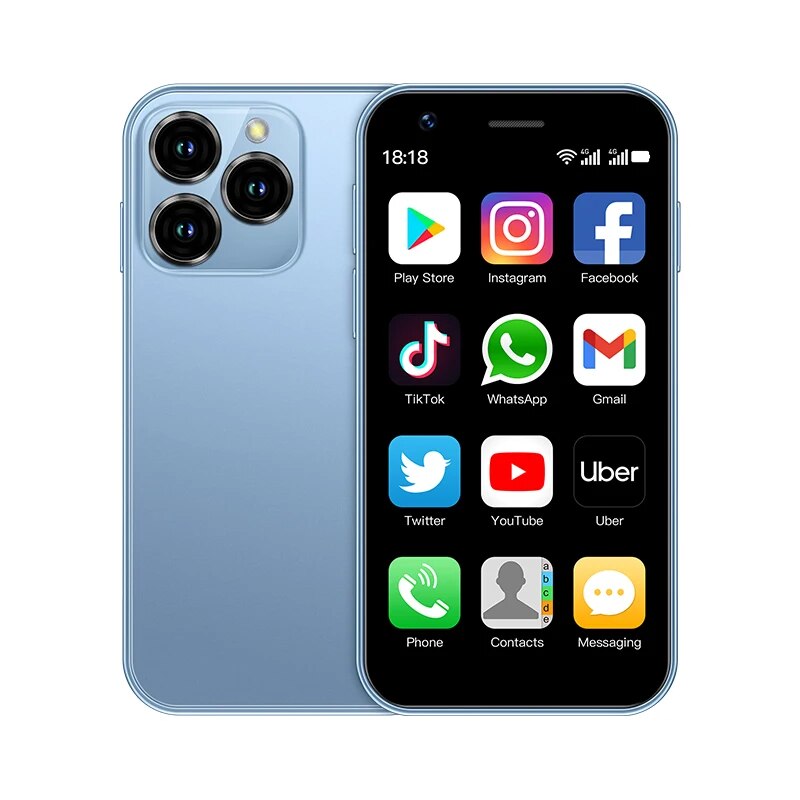
How Smartphones Have Shaped Our Daily Lives: A Deep Dive
In the last decade, smartphones have revolutionized the way we interact with the world around us. From communication and entertainment to health and productivity, these powerful devices have become indispensable tools for navigating our daily lives. With features like instant messaging, social media, and mobile applications, smartphones allow us to stay connected with friends, family, and coworkers at any time and from virtually anywhere. According to a recent study, more than 80% of people now rely on their smartphones for daily tasks, achieving a level of convenience that was previously unimaginable.
Furthermore, smartphones have transformed traditional industries and created new opportunities for businesses. The rise of mobile banking apps, e-commerce platforms, and online service providers has made financial transactions and purchasing simpler and more accessible than ever before. People can manage their finances, shop for groceries, or even book travel arrangements with just a few taps on their screens. As we continue to embrace these devices, it becomes evident that smartphones are not just tools for communication but are integral in shaping our routines, influencing our choices, and redefining how we experience the modern world.
Counter-Strike is a popular tactical first-person shooter video game that emphasizes teamwork and strategy. Players can choose to play as terrorists or counter-terrorists, each with unique objectives to complete. For those looking to upgrade their gear, check out the Top 10 iPhone 17 Pro cases to ensure your device is protected while gaming.
The Evolution of Smartphones: Key Milestones in Mobile Technology
The journey of smartphones has been nothing short of revolutionary, reshaping the way we communicate, work, and interact with the world around us. Starting with the introduction of Simon Personal Communicator in 1992, which combined the functionality of a mobile phone and PDA, the foundation for modern smartphones was laid. The milestone moment came in 2007 when Apple launched the first iPhone, integrating a touchscreen interface that eliminated the need for physical buttons and sparking a wave of innovation across the mobile landscape.
As we progressed through the years, key advancements such as the introduction of Android in 2008 brought about a fierce competitiveness in the market, leading to continuous improvements in hardware and software. Other significant milestones include the transition to 4G networks in 2009, which enhanced internet speeds and improved streaming capabilities, and the introduction of AI-powered assistants like Siri and Google Assistant, making smartphones smarter. These developments not only made mobile technology more accessible but also transformed everyday tasks, fundamentally changing how we live and work.
Are Smartphones Making Us More Connected or Isolated?
The debate around whether smartphones are making us more connected or isolated has gained momentum in recent years. With the widespread use of social media applications and instant messaging, many argue that smartphones facilitate better communication across distances, allowing us to maintain relationships with friends and family regardless of geography. For instance, families separated by miles can now share daily moments through photos and video calls, creating a sense of closeness that was previously hard to achieve. However, this constant connectivity may come at a cost; as we remain glued to our screens, we may inadvertently neglect face-to-face interactions with those physically present around us.
On the other hand, some studies suggest that excessive use of smartphones increases feelings of isolation and loneliness. When individuals prioritize virtual connections over real-life experiences, they may find themselves feeling more disconnected than ever. According to a survey conducted by the Pew Research Center, many users reported feeling more lonely and anxious, despite being constantly connected to others online. Balancing smartphone usage is essential; while these devices can enhance our social networks, over-reliance on them can lead to a paradox of feeling alone in a crowded room. It's crucial to cultivate meaningful, in-person relationships to counteract the isolating effects of digital communication.