The Convenience Revolution: How Wireless Charging is Changing Our Daily Lives
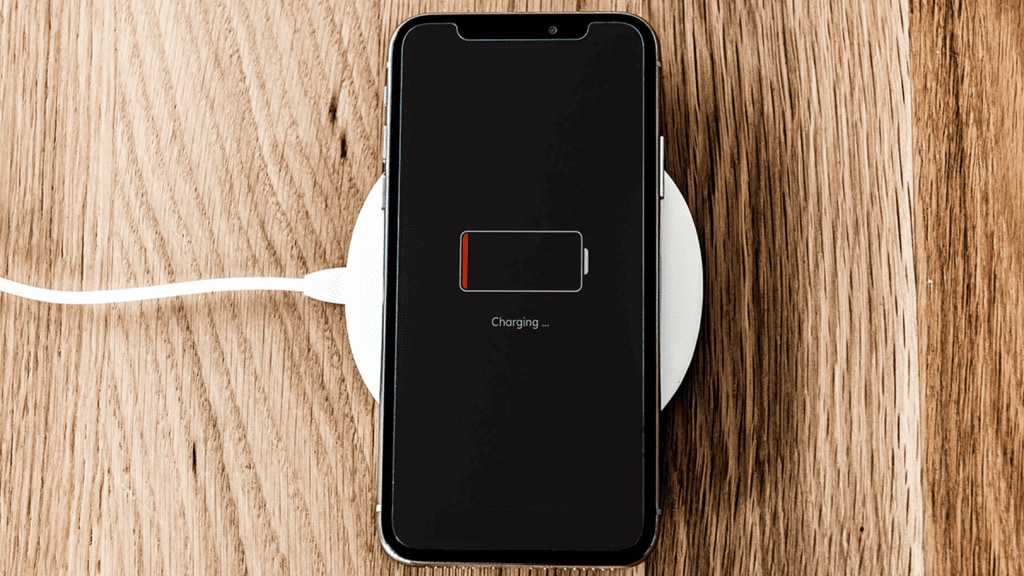
The convenience revolution is upon us, and one of its most notable innovations is wireless charging. Gone are the days of fumbling with tangled cords and searching for compatible chargers. With the advent of wireless charging technology, users can now simply place their devices on a charging pad and watch as their phones and gadgets power up effortlessly. This shift not only streamlines our daily routines but also enhances the overall user experience by eliminating the hassle of plugs and connectors.
As wireless charging becomes increasingly integrated into our lives, businesses and public spaces are adapting rapidly. Coffee shops, airports, and even vehicles now offer wireless charging stations, making it easier than ever to stay connected on the go. This transformation highlights the growing importance of convenience in our fast-paced world while encouraging us to embrace a more tech-friendly lifestyle. As we continue to navigate this convenience revolution, it’s clear that wireless charging will play a pivotal role in how we interact with technology in our everyday lives.
Counter-Strike is a popular first-person shooter franchise that pits teams of terrorists against counter-terrorists in various objective-based modes. With its tactical gameplay and competitive nature, it has become a staple in the esports scene. Players often enhance their gaming experience with peripherals and accessories, and if you're looking for some of the best gear for your device, check out the Top 10 iphone 17 pro max accessories.
Exploring the Technology Behind Wireless Charging: How Does It Really Work?
Wireless charging technology, often referred to as inductive charging, utilizes electromagnetic fields to transfer energy between two objects. The process begins when a charging station generates an alternating electromagnetic field from a coil within the charging pad. This field interacts with a receiver coil located inside the device, such as a smartphone or wearable gadget, creating an electric current. This current then flows to the device’s battery, charging it without the need for physical connectors.
One of the key components of wireless charging is the principle of electromagnetic induction. This involves the use of two coils: a transmitter coil in the charging pad and a receiver coil in the device. When the transmitter coil is energized, it produces a magnetic field that induces a voltage in the receiver coil. This technology is governed by the principle of induction, which not only allows for convenience but also ensures that devices can be charged with minimal wear and tear on connectors. As wireless charging continues to evolve, advancements such as resonant charging are being developed, promising even greater efficiency and distance in the charging process.
Is Wireless Charging Safe? Debunking Myths and Answering Your Questions
The rise of wireless charging technology has led to an abundance of questions regarding its safety. Many myths have surfaced, causing confusion among consumers. One common myth is that wireless charging generates harmful electromagnetic radiation. However, scientific studies indicate that the levels of radiation emitted are significantly lower than those produced by traditional devices, such as microwaves or cellphones. In fact, the technology adheres to strict safety standards set by regulatory bodies, ensuring that it is safe for everyday use.
Another frequently raised concern is whether wireless charging can harm your device's battery. It's important to note that modern charging pads are designed with advanced features that protect against overcharging and overheating. They automatically stop charging once the battery reaches full capacity, mitigating potential risks. Likewise, users can take simple precautions, such as using high-quality charging pads and keeping both the phone and pad clean, to ensure optimal performance and longevity. Ultimately, wireless charging is not only convenient but also safe for your devices when used appropriately.